




Nazi Ratlines: Uncovering Hidden Networks

A Simon Wiesenthal Center investigation into historical accountability

From the end of World War II until the 1950's, former Nazi officials, members of the SS and other Nazi war criminals evaded justice by escaping Europe to South America and the Middle East. Their escape routes became known as "Ratlines."

Many of these former Nazis brought with them or arranged for the transfer of money and valuables that had been looted from the victims of the Holocaust and World War II.

For more than 48 years, the Simon Wiesenthal Center has been telling these stories and pursuing not vengeance, but justice.

We invite you to explore these pages to learn more about the Nazi Ratlines and the work the Simon Wiesenthal Center is doing to ensure that justice be done.

Why It Matters

1

Justice and Accountability

The ratlines represent a fundamental failure of justice that allowed perpetrators of genocide to evade accountability. These war criminals profited from stolen assets and looted property taken from their victims, using this ill-gotten wealth to fund their escapes and new lives abroad.

2

Systematic Networks

The ratlines weren't random escapes—they were organized operations involving government officials, religious organizations, and financial institutions across multiple continents, all coordinating to shield perpetrators from justice.

3

Preventing Future Atrocities

By exposing these historical networks and demanding accountability, we establish precedents that make it harder for future perpetrators to escape justice and for institutions to enable mass human rights violations.

Nazi ratline

noun \ ˈnä-zē ˈrat-ˌlīn \

A network of clandestine routes used by members of Nazi Germany’s military, intelligence, and political organizations to move assets & flee Europe after World War II, often to avoid prosecution for war crimes.

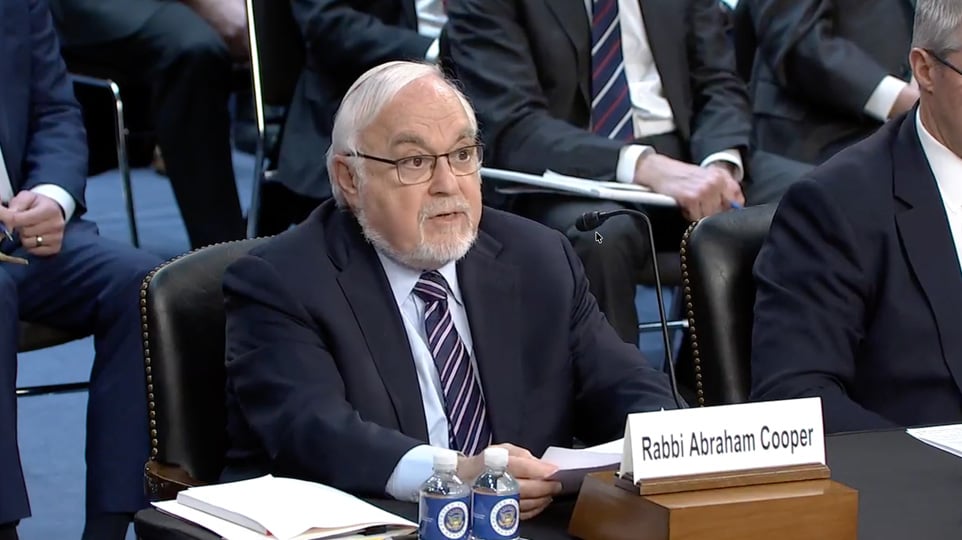
Congressional Hearing

Watch the congressional hearing addressing recent discoveries in the Ratlines investigation and their implications for historical accountability.

Note: This link will open C-SPAN in a new window. 

Return to top